How Plumbers Find Hidden Leaks Without Tearing Up Your Home
Providers locate hidden leaks with non-invasive methods used in sequence: a meter test to confirm water is being lost, acoustic listening to hear the leak through slab or wall, thermal imaging to spot warmth from a hot line, pressure testing to isolate the faulty section, and tracer gas for the stubborn cases. The leak is pinpointed first, and only then is anything opened, which keeps the repair small.
Calls are answered 24/7 and may be recorded for quality and lead verification.
A hidden leak is a strange problem: you know something is wrong from the bill, the sound, or the damp spot, but the water itself is nowhere to be seen. The old approach was to open walls and hope. The modern approach is the opposite: find the leak precisely first, then open as little as possible. Professional leak detection uses a sequence of non-invasive methods, each one narrowing the search, and in a city like Diamond Bar, where slab foundations and hillside ground movement are the norm, that precision matters. Here is how providers actually find leaks without tearing up your home.
Step one: confirm water is really being lost
Every detection visit starts with proof. The provider runs a meter test, the same test you can do yourself, to confirm that water is moving through the meter when nothing in the home is running. If the meter is still, there is no leak to find, and the conversation turns to usage, irrigation, or a billing question instead. If it moves, the search is on, and the next steps depend on what kind of leak the signs point to. Our guide on checking for a hidden leak with your water meter walks through the homeowner version of this test.
Acoustic listening: hearing what you cannot see
Pressurized water escaping from a pipe makes noise: a hiss, a whoosh, or a vibration that travels along the pipe and through the slab or wall. Electronic listening equipment amplifies those sounds far beyond what the human ear picks up. The provider moves a sensitive ground microphone or contact sensor across the floor or along walls, listening for the spot where the sound is loudest. For slab leaks, this is usually the primary tool, and a skilled technician can narrow a leak to a small area of concrete. It works best in quiet conditions, which is why detection visits are easier to schedule when the house is calm.
Thermal imaging: seeing temperature, not water
An infrared camera does not see water. It sees surface temperature, and a hot water leak under a slab or behind a wall often warms the surface above it. The camera renders that warmth as a color pattern, and the shape of the pattern can outline the leaking line. Thermal imaging is at its best with hot water leaks, where the temperature difference is clear, and it is frequently used together with acoustic listening: one tool confirms what the other suggests. On a cool morning, when the slab has not absorbed the day's heat, the contrast is sharpest.
Pressure testing and line isolation: dividing the system
When the leak's general area is unclear, the provider divides the plumbing into sections and tests each one. By capping lines and pressurizing them with air or water, then watching whether the pressure holds, each section is declared sound or suspect. This is how a provider determines whether the leak is in the hot side or the cold side, in the house lines or the service line from the meter. It is methodical work, and it is what turns a vague "somewhere in the house" into a defined stretch of pipe.
Tracer gas: for the stubborn ones
Some leaks defeat the standard tools: tiny seeps, leaks under thick slabs, or lines buried deep. For these, a safe tracer gas, usually a hydrogen and nitrogen mix, is introduced into the drained line. The gas escapes at the leak point, rises through the ground or concrete, and is picked up at the surface by a sensitive detector. Because the gas molecules are far smaller than water molecules, they find the exit even when water barely does. It is a specialized method, not every visit needs it, but it is the answer when acoustic and thermal come up empty.
Moisture meters and cameras: confirming the damage
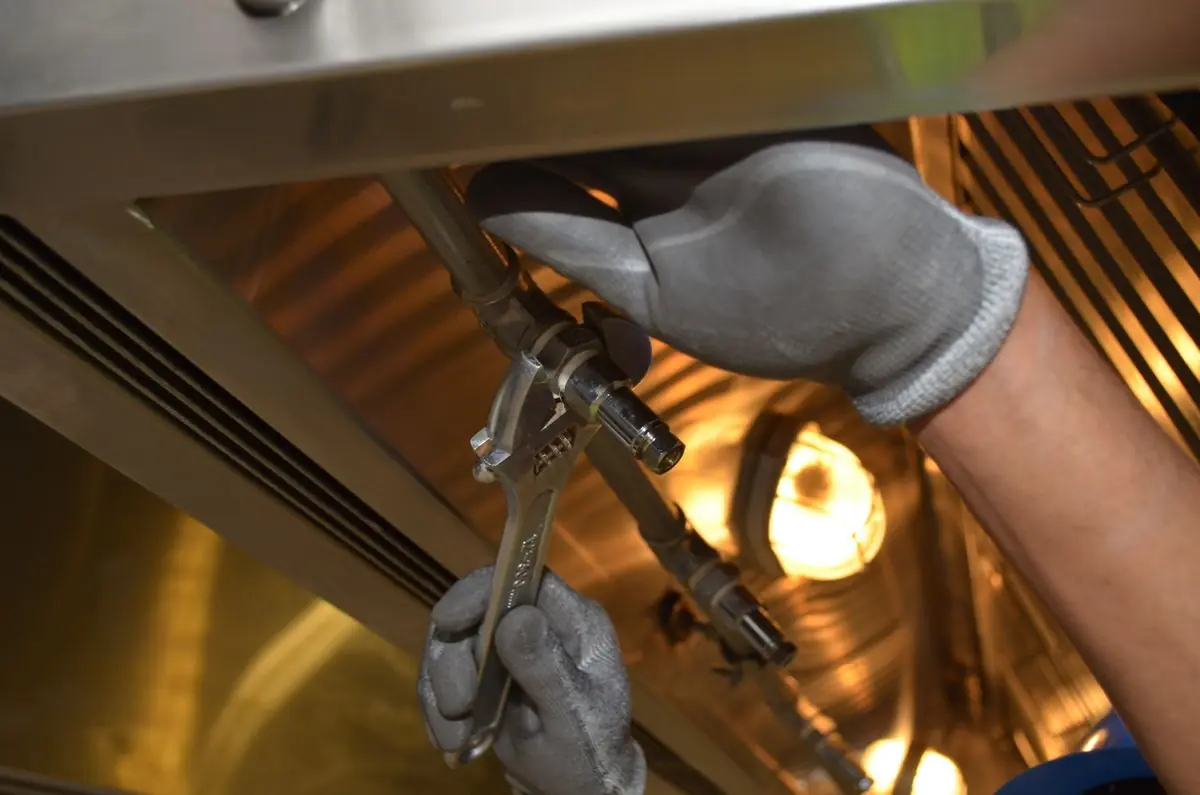
Alongside the locating tools, providers carry moisture meters that read how wet walls, floors, and baseboards are, which maps the extent of the damage around the leak. For drain and sewer leaks, a camera goes into the line and shows exactly what is happening: roots, breaks, bellies. These tools answer the second question, how bad is it, once the first question, where is it, is answered.
What a detection visit looks like in practice
Expect the visit to start with your story: the bill change, the sounds, the damp spots, and when each appeared. Then the meter test, then the listening and imaging work, moving room to room. A straightforward slab leak detection often resolves in a single visit, with the leak marked on the floor. Complex cases, with multiple suspect lines or very quiet leaks, can take longer. Either way, the deliverable is the same: a located leak, an explanation of the repair options, and an upfront estimate before anything is opened. That sequence, locate first and cut second, is what keeps a detection visit from becoming a demolition visit.
Why this matters more in Diamond Bar
Local conditions make precision locating especially valuable here. Most Diamond Bar homes sit on slabs with water lines underneath, so the most likely leak location is also the hardest to reach. The hillside terrain and expansive clay soils keep stressing buried lines, and the 1960s and 70s copper in Diamond Point and Pathfinder era homes is at the age where pinholes appear. Opening concrete on a guess in this housing stock is expensive twice over: once for the concrete you did not need to break, and again for the leak you still have to find. Detection first is the economical path.
What detection costs depend on
Detection visits are priced by the work involved, and the factors are straightforward: how many lines need testing, how large the search area is, which methods the leak requires, and how accessible the meter and shutoffs are. A clear story from you, with the signs and timing documented, shortens the search and keeps the visit efficient. What you should not expect is a flat quote over the phone for a leak nobody has seen: the honest answer is always an on site assessment first.
What to do if you suspect a hidden leak
Call (909) 363-3380 and describe what you are seeing: the bill, the sounds, the damp areas, and when they started. Your call is routed to an available local licensed provider experienced in leak detection in Diamond Bar, who locates the leak with non-invasive methods, explains the repair options, and gives an upfront estimate with your approval required before any work starts. Calls are answered 24/7, and may be recorded for quality and lead verification.
Suspect a hidden leak in your home?
Get matched with a licensed local provider who can locate the leak without tearing up your home and give an upfront estimate.
Call (909) 363-3380Calls answered 24/7. Calls may be recorded for quality and lead verification.