Septic Tank & Grease Trap Pumping in Diamond Bar, CA
Most of Diamond Bar runs on city sewer, so septic service is rare here, but a small number of older properties still have tanks, and local restaurants need grease trap pumping on a schedule. One call connects you with a provider who can pump your septic tank, service your grease trap, and give you honest guidance on what your property actually needs. Call (909) 363-3380 to check availability for your address.
Calls are answered 24/7 and may be recorded for quality and lead verification.
First Question: Does Your Property Even Have a Septic Tank?
Diamond Bar is almost entirely served by the city sewer system. Septic tanks survive only on a scattered set of older properties, typically where a home predates the sewer extension or sits on a lot that was never connected. If you are unsure, there are simple ways to tell: your property tax or utility records may note it, there is no monthly sewer charge on your water bill if you are on septic, and a provider can confirm it during a visit.
This matters because paying for a septic pump-out you do not need is money thrown away. If your drains are slow and you are on city sewer, the problem is in your drain lines or your sewer lateral, not a tank. A provider will tell you which one it is before quoting anything.
Septic Tank Pumping: Schedule and Warning Signs
For homes that do have septic, the standard guidance is pumping every three to five years, depending on household size, water use, and tank capacity. Waiting too long lets solids reach the drain field, and a damaged drain field costs far more than any pump-out. Between scheduled pumpings, watch for the signs of a full tank: slow drains throughout the house, sewage odors inside or near the yard, gurgling fixtures, sewage backing up into low drains, and soggy or foul-smelling ground over the drain field. Any of those means the tank needs attention now, not at the next scheduled visit.
A professional pump-out removes the accumulated sludge and solids, and the visit is also the right time to inspect the tank's baffles and lid and note the condition of the drain field. For Diamond Bar properties with older tanks, that inspection history matters if you ever sell the home.
Grease Trap Pumping for Diamond Bar Restaurants
Grease traps are a different world from septic, and this is where Diamond Bar has real, ongoing demand. Restaurants, cafes, and food businesses must keep fats, oils, and grease out of the sewer system, and health and sewer authorities expect traps to be pumped on a regular schedule. The common industry rule is pumping before the trap reaches about 25 percent of its capacity in grease and solids, which for a busy kitchen often means every one to three months.
Miss the schedule and the consequences are immediate: slow kitchen drains, foul odors, backups during service, failed inspections, and fines. A provider pumps the trap completely, not just skims the top, checks the baffles and inlet and outlet tees, and provides documentation of the service for your inspection records. For restaurants, folding grease trap service into a commercial maintenance plan keeps the schedule automatic instead of a crisis.
What Affects the Cost of Pumping in Diamond Bar
Tank or trap size
Larger septic tanks and larger grease interceptors take more time and more disposal volume.
Access
A tank with an exposed riser and a clear driveway is quick; a buried lid that must be located and dug up adds labor.
Condition
A neglected tank or an overflowing trap takes longer to pump and may need extra cleaning.
Frequency plan
Restaurants on a regular pumping schedule usually pay less per visit than one-off emergency calls.
Inspection and documentation
Tank inspections and grease trap service records add legitimate value for sellers and inspectors.
Disposal fees
Waste must go to a permitted disposal facility, and those fees are part of any honest quote.
The provider confirms the exact figure before starting. Call (909) 363-3380 to check availability for your property or restaurant.
Simple & transparent
How It Works, And Who Shows Up
Diamond Bar Plumbing Experts is a connection service, not a plumbing contractor. Here is exactly what happens when you call.
You Call
Call (909) 363-3380 any time, calls are answered 24/7. Say whether you need septic pumping or grease trap service, and give your Diamond Bar address.
You Are Matched
Your call is routed to an available local provider licensed for the work. In California, that means a CSLB C-36 licensed plumbing contractor.
On-Site Check & Upfront Estimate
The provider locates your tank or trap, confirms what is needed, and gives an upfront estimate. No work starts without your approval.
Pumped & Documented
The provider pumps the system completely, inspects it, cleans up the work area, and gives you records for your files or inspections.
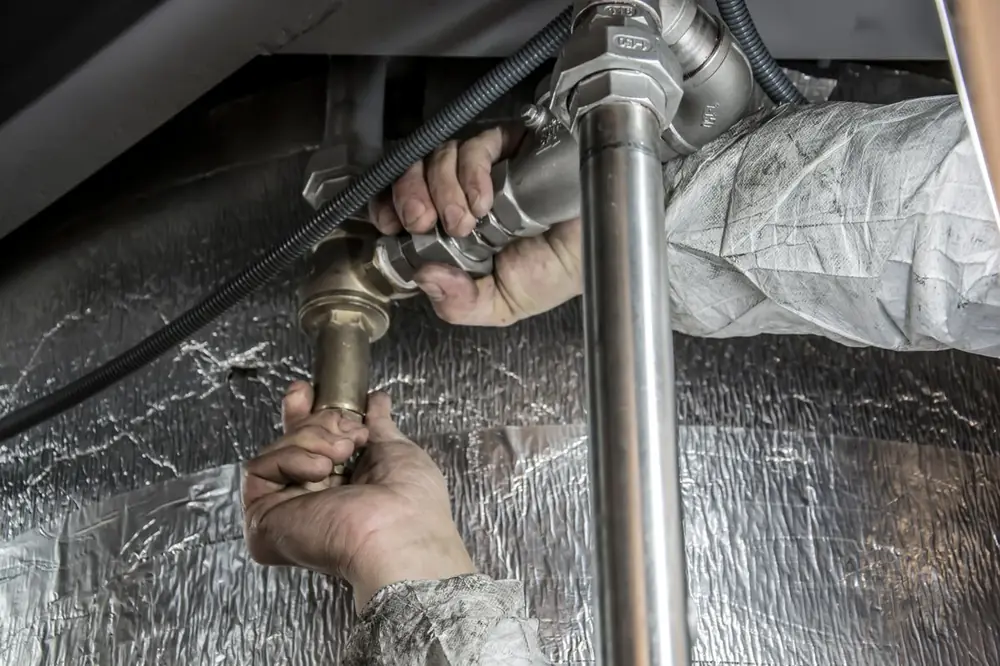
Who shows up at your door
- A state-licensed, insured plumbing professional
- Identifies themselves on arrival and explains the plan
- Equipped for septic pumping and grease trap service
- Pricing explained and approved before work begins
- Waste disposed at a permitted facility, service documented
Questions, answered
Frequently Asked Questions
How often should a septic tank be pumped?
Every three to five years is the standard guidance, depending on household size, water use, and tank capacity. A large family in a small tank needs it sooner; a couple in a large tank can go longer. The provider can read your tank's condition at the visit and set the right interval for your property.
What are the signs my septic tank is full?
Slow drains throughout the house, sewage odors inside or in the yard, gurgling fixtures, sewage backing up into low drains, and soggy or foul-smelling ground over the drain field. Any of these means the tank needs pumping now, because solids reaching the drain field can damage it permanently.
How do I know if my property is on septic or city sewer?
Most Diamond Bar properties are on city sewer. Check your property records and your water bill: a monthly sewer charge means you are on sewer. If you are still unsure, a provider can confirm it during a visit before quoting any pumping work, so you never pay for a pump-out you do not need.
How often must a restaurant grease trap be pumped?
The common industry rule is pumping before the trap reaches about 25 percent of its capacity in grease and solids. For a busy kitchen that usually means every one to three months. Your local authority may set its own schedule, and the provider's service records document your compliance.
What happens if a grease trap isn't maintained?
Grease builds past the trap and into the sewer line, causing slow kitchen drains, foul odors, and backups during service. Beyond the mess, you risk failed health inspections and fines. A regular pumping schedule, often folded into a commercial maintenance plan, keeps all of that from happening.
Keep exploring
Related Services
Commercial Plumbing
Restaurants, offices, retail and HOAs, repairs, water heaters and maintenance plans.
For businessesDrain Cleaning & Hydro Jetting
Snaking for simple clogs, hydro jetting for grease, scale and recurring blockages.
Clear my drainSewer Line Repair
Camera inspection, trenchless replacement and backup repair for damaged sewer lines.
Fix my sewer lineFrom the Blog
Guides From Our Blog
Does Your Diamond Bar Property Have a Septic Tank? How to Find Out
Read the guideGrease Trap Pumping Schedules for Restaurants: Staying Compliant
Read the guideSeptic questions usually come from older or edge properties near The Country and South Pointe, while grease trap work follows the restaurant rows covered under commercial plumbing.
Septic or Grease Trap Service in Diamond Bar
One call connects you with a local provider. Upfront estimate, documented work, no surprises.
Call (909) 363-3380Calls answered 24/7. Calls may be recorded for quality and lead verification.