Tankless Water Heater Pros and Cons for Diamond Bar Homes
A tankless water heater gives endless hot water on demand, uses energy only when a tap is open, and frees up the space a tank would take. The tradeoffs are a more involved installation, higher upfront cost factors, a hard water descaling schedule, and flow limits when several fixtures run at once. For many Diamond Bar homes it is a strong fit, as long as you go in knowing the maintenance it needs.
Calls are answered 24/7 and may be recorded for quality and lead verification.
Tankless water heaters have moved from a niche upgrade to a mainstream option in Diamond Bar, especially in newer builds around Willow Heights and South Pointe where they are sometimes installed from day one. The promise is simple: hot water on demand, without a tank sitting in the garage burning gas all day. But tankless is not the right call for every home. The install is more involved than swapping a tank, and Diamond Bar's hard water adds a maintenance reality that brochures tend to skip. Here is an honest look at both sides, so you can decide with real expectations.
The pros: why homeowners switch
Hot water that does not run out
A tank holds 40 or 50 gallons and then needs time to recover. A tankless unit heats water as it flows through, so back to back showers, a dishwasher cycle, and laundry can keep going without the tank going cold. For larger households in Diamond Bar's bigger tract homes, where morning routines collide, that is usually the main reason people switch. The endless supply is real, as long as the unit is sized for the demand, which is a sizing question your provider works through with you.
No standby energy loss
A traditional tank keeps dozens of gallons hot around the clock, which means it reheats water you are not using, including while you are asleep or at work. A tankless unit fires only when a hot tap opens. In a climate like ours, where the garage can get hot in summer, a tank loses heat faster and cycles more often, so the on demand design has a genuine efficiency edge here. How much that shows up on your gas bill depends on your household's hot water habits, and a provider can give you a realistic sense of the range.
Space savings
A tankless unit mounts on the wall and is roughly the size of a small suitcase. In Diamond Bar garages that double as storage, a home gym, or a workshop, reclaiming the footprint of a 50 gallon tank is a meaningful gain. Exterior mounted units are common in Southern California and free up the space entirely, provided the location and venting meet code.
Longer equipment life with maintenance
Tankless units generally have longer service lives than tank heaters, but there is a condition attached: they need their maintenance, especially here. A tankless unit that is descaled on schedule in hard water can serve a home for many more years than a tank that is never flushed. Without that upkeep, scale shortens the story considerably. The honest version of the lifespan claim is that tankless lasts longer if you maintain it.
The cons: what to weigh before you commit
Installation is a project, not a swap
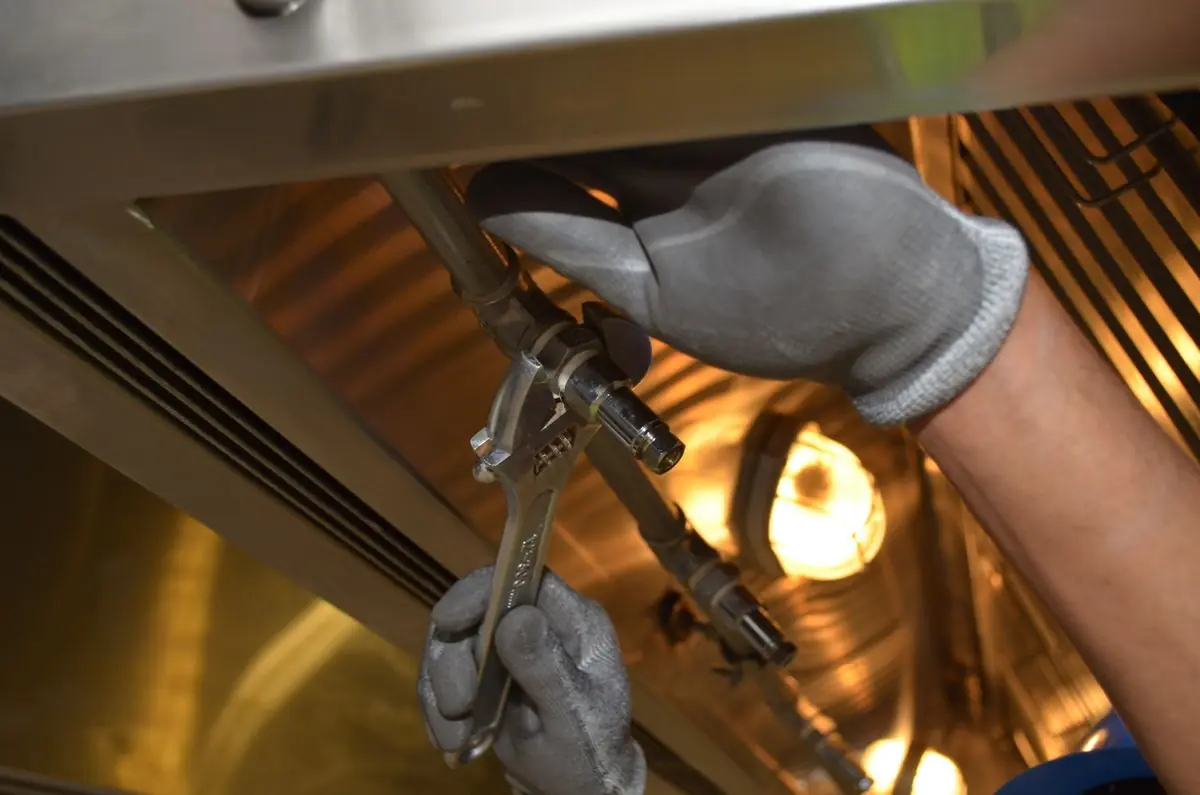
Replacing a tank with another tank is mostly a disconnect and reconnect. Going tankless often means more: a larger gas line, since tankless burners draw far more gas at once than a tank's small burner; new venting, because tankless units need sealed stainless or approved venting rather than the old atmospheric vent; and sometimes electrical work for the controls. In older Diamond Bar tracts, the existing gas line was sized for the original equipment, so a gas line upgrade is a common part of the job. These are cost factors that belong in the estimate, not surprises after the work starts. You can read about the tankless installation process and what the visit involves.
Upfront cost factors are higher
The unit itself costs more than a tank, and the installation extras above add labor and materials. Whether the long term energy savings offset that depends on your usage, your current setup, and how long you plan to stay in the home. This is a math question worth doing with real numbers from the estimate, not a guess. Anyone promising payback in a year without knowing your bills is selling, not advising.
Hard water means a descaling schedule
This is the Diamond Bar specific reality. Our water runs hard, and scale collects on a tankless heat exchanger faster than it settles in a tank. Without regular descaling, efficiency drops, flow can suffer, and the unit may start throwing scale related error codes. Most manufacturers expect annual descaling in hard water areas, and some recommend it more often with heavy use. If you will not keep up with maintenance, a tank with regular flushing may honestly serve you better. For the full picture, see our guide on why tankless units need descaling in hard water.
Flow limits during simultaneous demand
Endless hot water is not the same as unlimited hot water. A unit delivers a set number of gallons per minute at a given temperature rise. Run two showers and the dishwasher at once in winter, when incoming water is colder, and you can hit the limit. Proper sizing, and sometimes a second unit for large homes, solves this, but it is part of the design conversation, not an afterthought.
The cold water sandwich
When you turn a hot tap off and on again, a brief slug of cooler water can pass through before the burner refires. It is a quirk of the design, not a defect, and recirculation setups can address it, but first time tankless owners should know it exists so it does not feel like a malfunction on day one.
Tankless in Diamond Bar: the local picture
Context matters. In newer areas like Willow Heights and parts of South Pointe, homes were often built with tankless in mind: adequate gas sizing, suitable venting paths, and sometimes the unit already in place. In 1960s and 70s tracts around Diamond Point and the Pathfinder corridor, a conversion is still very doable, but the estimate needs to account for the gas line, venting route, and where the unit will mount. Water hardness is the other local factor. Diamond Bar water leaves scale on everything it touches, from faucet aerators to showerheads, and a heat exchanger is no exception. Pairing a tankless unit with a water treatment setup is something many local homeowners do, and it is worth discussing during the same visit.
How to decide
Run through these questions. If most answers lean yes, tankless is probably a good fit: Do you run out of hot water with a tank? Is your current heater due for replacement anyway, so the comparison is tankless versus a new tank rather than tankless versus nothing? Can the install accommodate the gas and venting needs without heroic measures? Are you willing to descale on schedule, or pair the unit with water treatment? And does the household plan to stay long enough for the efficiency to matter? A provider can answer the technical half of these on site, including sizing and the gas line question, and give you an upfront estimate for both options so you can compare honestly.
What to do if you are leaning toward tankless
Call (909) 363-3380 and describe your home and your current setup: the age of the house, the size of the existing tank, and whether you run out of hot water. Your call is routed to an available local licensed provider experienced with tankless water heaters in Diamond Bar, who can assess the gas line, venting, and placement, size the unit for your household, and give an upfront estimate with your approval required before any work starts. Calls are answered 24/7, and may be recorded for quality and lead verification.
Thinking about going tankless?
Get matched with a licensed local provider who can size a unit for your home, assess the gas line and venting, and give an upfront estimate.
Call (909) 363-3380Calls answered 24/7. Calls may be recorded for quality and lead verification.